

Owner’s Review - Canon EF 400mm F5.6 L USM Lens
In this article I will offer my thoughts and opinions on using the Canon EF 400mm F5.6 L USM Telephoto Lens for wildlife and deep-sky astrophotography.
The Canon EF 400mm F5.6 L USM Telephoto Lens was first introduced in 1993, and is no longer manufactured by Canon. Despite being such an old design, the lens is extremely robust and well made, with excellent optical performance and a reliable USM (Ultrasonic Motor) autofocus system.
Being an L-Series lens, the body is made of metal rather than plastic, with weather sealing to protect the internals from dust and moisture. It features rubber grips for the manual focus ring and the built-in lens hood, a metal camera mounting bayonet fitting and a metal tripod foot which is also removable. The front lens element is threaded to accept a 77mm filter, and the built-in lens hood is retractable to reduce the overall length for storage.
Inside, the lens contains 7 glass elements and an 8-blade aperture diaphragm which is adjustable electronically from F5.6 wide open to F32. There is no manual control for aperture adjustment, but the focus can be adjusted manually using the external focusing ring. The USM autofocus mechanism is fast and quiet in operation, and works even with the latest Canon mirrorless cameras using the EF-RF mount adapter.
The lens is fully compatible with Canon 1.4x and 2x Extenders (often called Teleconverters) and I have used it successfully with both types.
Purchasing and using the lens
I purchased my copy of the lens in April 2024, second hand but in very good condition. The lenses were supplied with front and rear caps, tripod mount ring and a carry case when new, and all these parts were included with my purchase.
I decided to buy this lens to replace my Canon EF 100-400mm F4.5-5.6 L USM Zoom lens, which suffered from poor image sharpness at 400mm, and was heavy and bulky to use. Prime (fixed focal length) lenses are often sharper than zoom lenses, and straight away the difference between the two lenses was noticable.
During my ownership of the lens I have used it with several camera bodies, extenders and mount adapters, and have not come across any compatibility issues so far.
Canon Cameras tested with the lens:
EOS 5D Mark IV Full-frame DSLR
EOS R Full-frame Mirrorless
EOS R Full-frame Mirrorless Astro Modified
EOS R6 Mark II Full-frame Mirrorless
EOS R5 Full-frame Mirrorless
Canon Extenders tested with the lens:
EF Extender 1.4x Mark II
EF Extender 1.4x Mark III
EF Extender 2x Mark III
Mount adapters tested with the lens:
Canon Mount Adapter EF-EOS R
Meike MK-EFTR-C Drop-in filter lens adapter
Positive features
As mentioned earlier, the image sharpness was noticably better than the 100-400mm Mark I zoom lens. The lens is also physically lighter and narrower than the zoom, which makes using it handheld for long periods of time more comfortable. The retracting lens hood is an excellent feature, much easier than repeatedly installing and removing a separate plastic lens hood. The metal tripod mount ring is rotatable so the lens and camera can be used in landscape or portrait orientation on a tripod or monopod, and is easily removable if using the lens handheld. The lens lets in plenty of light wide open at F5.6, great for low light situations, although image sharpness is slightly worse. I mainly used the lens at F8 for maximum sharpness, unless light levels were particularly low.
Negative features
Unlike some of Canon’s other L-series lenses, the 400mm Prime lens does not feature any image stabilisation. This does help make the lens smaller and lighter, but can be an issue if using it handheld for wildlife photography. Also, the supplied tripod mount is not Arca-Swiss compatible, meaning an extra plate has to be screwed onto it when using with Arca-Swiss quick release clamps. This is a common complaint with all Canon tripod collars, even the latest ones being manufactured currently. Luckily aftermarket tripod collars are available, I purchased one and it was a perfect fit on the lens, and was even painted the correct colour so it looked like original equipment.
Being an all-metal design, the lens is quite heavy to carry around for long periods, my copy weighs 1350g with tripod mount fitted, and 1575g with the 1.4x Extender fitted. It is lighter than the 100-400mm zoom lenses though.
Extenders
Using the lens paired with a 1.4x Extender increases the focal length to 560mm and reduces the aperture to F8. I first tried an EF Extender 1.4x Mark II and image sharpness was affected. I soon upgraded to the 1.4x Extender Mark III which gave much sharper results, so I definitely recommend this version. According to Canon autofocus speed is reduced when using an extender, with my particular cameras there was a slight difference in performance but it wasn’t a major problem. Using a 2x Extender increases the focal length to 800mm and reduces the aperture to F11. Again, autofocus speed is affected and on some camera bodies it may not work at all. Personally I only used the 2x Extender with my Mirrorless cameras and the autofocus did work, even for Moon photography. When using either of the Extenders for deep-sky astrophotography I was always using the manual focus ring on the lens, so autofocus performance wasn’t an issue.
Wildlife photography
The lens has performed well with all the Canon camera bodies I have paired it with. The only real difference has been autofocus performance, which is entirely due to the camera design rather than the lens itself. The latest mirrorless cameras with eye tracking autofocus make wildlife photography much easier, and the lens copes well with this new technology. It is not as fast to acquire the subject initially, compared with the latest RF lenses, but it still does a reasonable job considering the subject tracking and eye detection technology did not exist when the lens was designed!
My preferred method of using the lens for wildlife, especially fast moving birds, is to mount it on a monopod. This gives the best freedom of movement to react to fast moving subjects, but with a bit of extra stability to help avoid blurry images from camera shake. The lack of built-in image stabilisation means you need very steady hands to use it completely handheld on fast moving subjects. Shutter speeds need to be kept reasonably high to avoid motion blur or camera shake, | typically start from 1/400 second for stationary birds perched, up to 1/1250 for slow moving birds or animals, and 1/2500 or higher for fast flying birds. I have found that F8 gives the best image sharpness and there is no need to go higher unless needing more depth of field. Of course it is always a compromise between image sharpness, and image noise from not letting in enough light and ending up with a high ISO.
It is good to know the lens is reasonably weather sealed, but I would never deliberately use it in the rain or leave it in a very damp environment for too long.
Astrophotography
One of the reasons for selecting this lens is that it is very well suited to astrophotography. It effectively works as a 400mm telescope, with an extremely well corrected star field right into the corners of the image, even on a full frame sensor. An equivalent dedicated telescope/astrograph with 400mm focal length and sharp round stars right into the corners of a full-frame image would be vastly more expensive. For example, an Askar FRA400 F5.6 astrograph with 400mm focal length and 72mm front element (similar performance to the Canon lens) retails at £1,149 today. Used Canon EF 400mm lenses are available for about £500 in comparison.
In a single exposure of the stars, some minor chromatic aberration is visible on bright stars, usually in the form of magenta colour fringing. Slight vignetting of the corners is also visible, but when stacking and calibrating deep-sky images with flat frames these lens aberrations can easily be removed.
The 8-blade aperture diaphragm can sometimes produce diffraction spikes on the brightest stars, although these can be cleaned up in post-processing if desired.
The lenses all-metal construction and weather sealing mean it does not suffer when left outdoors overnight during an astrophotography session. It seems to cope with a thin layer of dew forming on it, and I always use a dew heater band around the lens hood to keep the front element clear of condensation anyway.
The strong metal tripod mount means it is very easy to attach the lens to a star tracker or equatorial mount, and the ability to rotate the lens inside the ring makes framing the target very straightforward. Focusing on a bright star is easy because the focus ring is fully mechanical, and focus doesn’t seem to shift much due to temperature changes during the night. I rarely have to refocus the lens partway through a session. I have a small Bahtinov Mask to help make focusing more accurate.
Using filters
The front 77mm filter thread means that standard types of photography filter can be used, as it is a common thread size. I have used the ‘Pig Iron’ Astroclear light pollution filter on this lens with great success for galaxy photography. To use dedicated 2” astrophotography filters, I modified a Meike drop-in filter holder and used it with this lens on several occasions. Read my review of the Canon EOS R Camera to find out how!
Alternative lenses
Alternative lenses with similar performance for Canon EF mounts are available but vary greatly in performance and quality. I have personally tried the Canon 100-400mm L USM Mark I, and found the image quality wasn’t as sharp, and the image stabilisation system wasn’t particularly smooth. The updated Mark II version of this lens is widely regarded as an excellent lens with much better image quality, and is therefore much more expensive to buy second hand.
Sigma make a wide and rather confusing range of zoom lenses with the Canon EF mount, including 50-500mm, 150-500mm, 150-600mm, 100-400mm, 400mm F5.6 prime, 135-400mm, 120-400mm and more. Quality and autofocus performance vary, and owner reviews are mixed. The only one I have personally tested is the DG 150-500mm F5-6.3 APO HSM OS, which was a very versatile lens with a wide focal range and image stabilisation, but the image quality especially at 400mm and 500mm just wasn’t sharp enough to justify keeping it.
Other manufacturers including Tamron also make similar lenses, but I have no experience of testing them. The best advice when buying a used lens is to get it from a reputable seller who offers a solid returns policy and warranty, in case you end up with a bad copy.
Final thoughts
For the price, and considering the age of the design, this lens performs remarkably well with today’s mirrorless cameras. It shows just how well made these old solid metal lenses are, I’m not sure a modern plastic-bodied lens will survive 30 years of use in the same way. The next step up in focal length to 500mm involves a huge jump in price for either an EF 500mm prime or an RF 100-500mm zoom lens. If you don’t mind the small F8 aperture and reduced low-light performance then this lens and a 1.4x extender gets you 560mm of focal length for less than £800 second hand. An EF 500mm prime in poor condition is well over £1000, and an RF 100-500mm zoom will be well over £2000. As an alternative to an astrograph for deep-sky photography, it also represents great value for money, and can be fitted with an adapter EF to M48 threads so that it can be paired with a dedicated astronomy camera. The fully mechanical focus mechanism means you can still focus the lens without a Canon camera fitted to it, this is not possible with the new RF lenses which have a ‘focus-by-wire’ electronic system requiring a signal from the camera body.
For more examples of image quality see my Wildlife or Astrophotography Gallery pages, many of the images were taken with this EF 400mm lens, sometimes with an extender fitted.
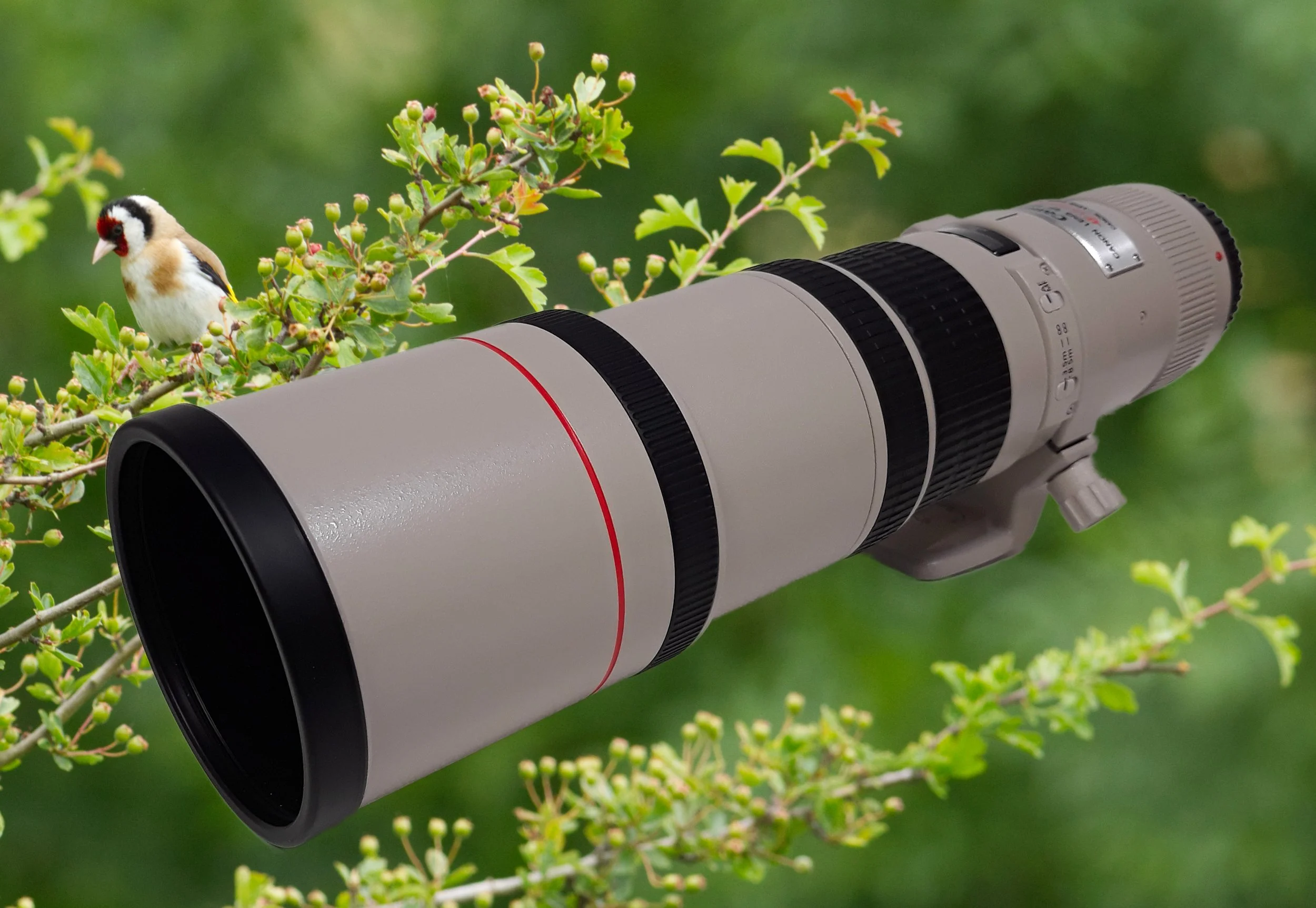
Canon EF 400mm F5.6 L USM Telephoto Lens
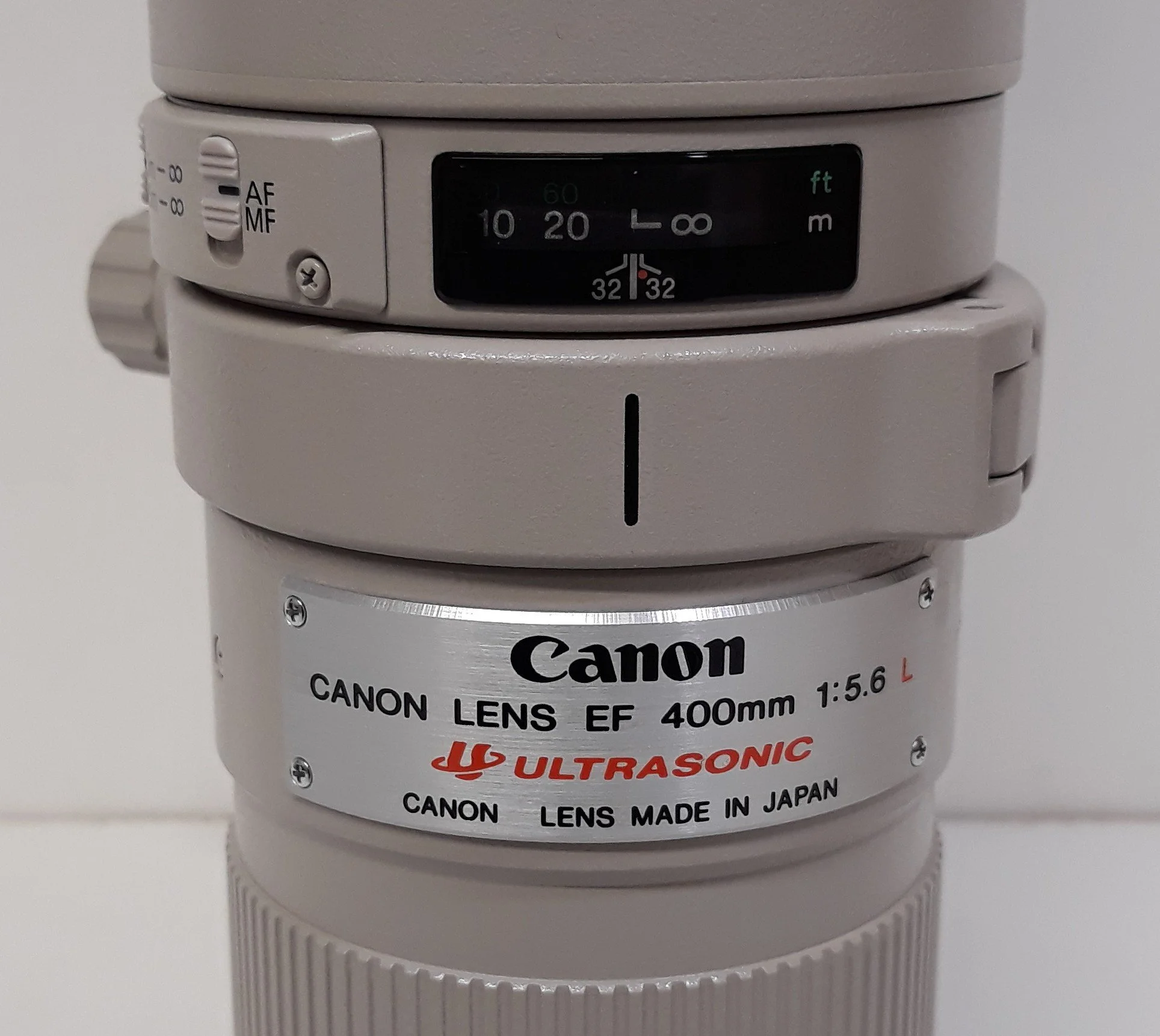
Canon Information Plate and Tripod Ring with alignment marking
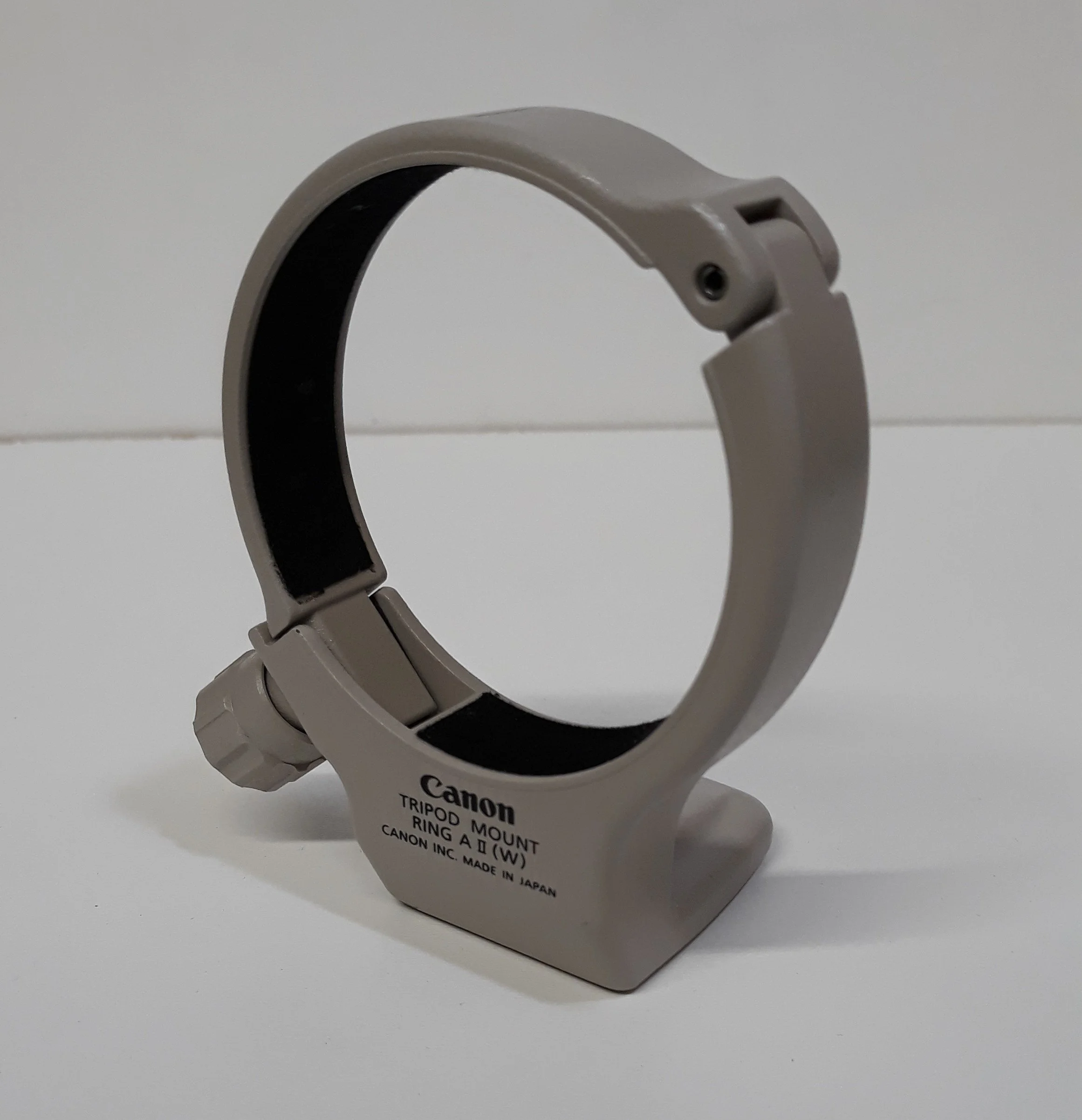
Canon Tripod Mount Ring for EF 400mm L USM Lens
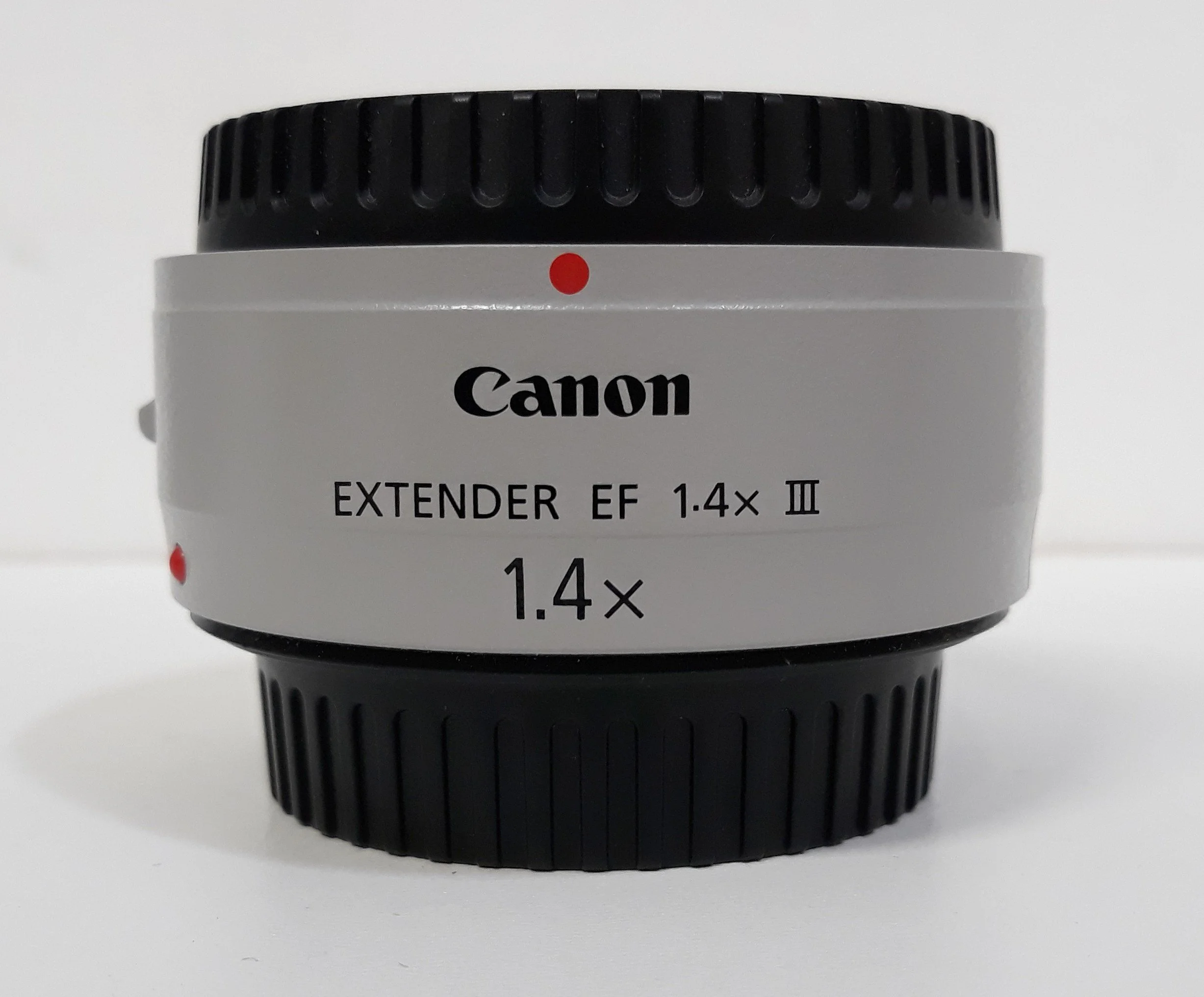
Canon Extender EF 1.4x Version III

Female Great Spotted Woodpecker - 400mm lens, aperture at F8
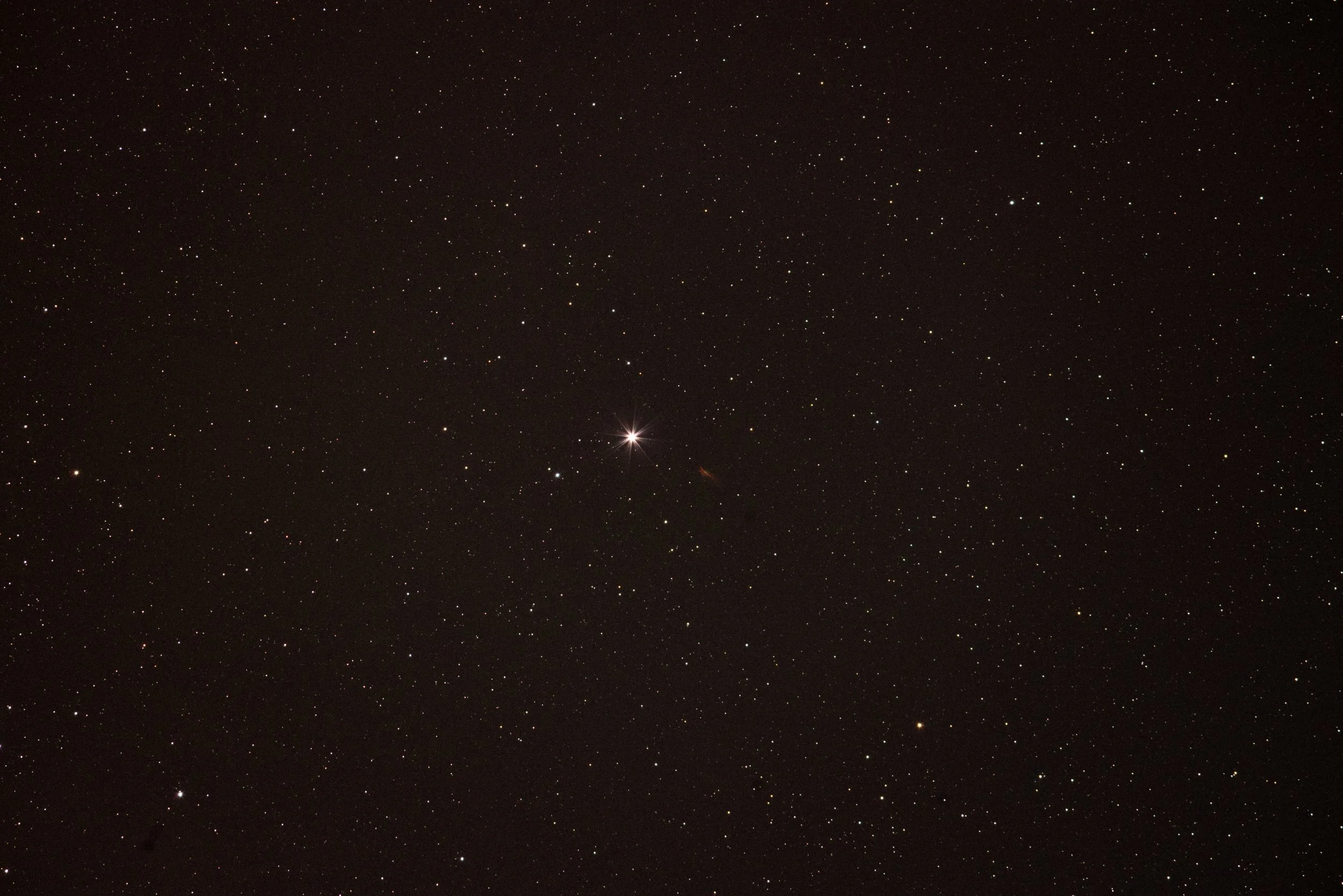
Single exposure - Canon EOS R Full-Frame Camera, Lens aperture at F6.3
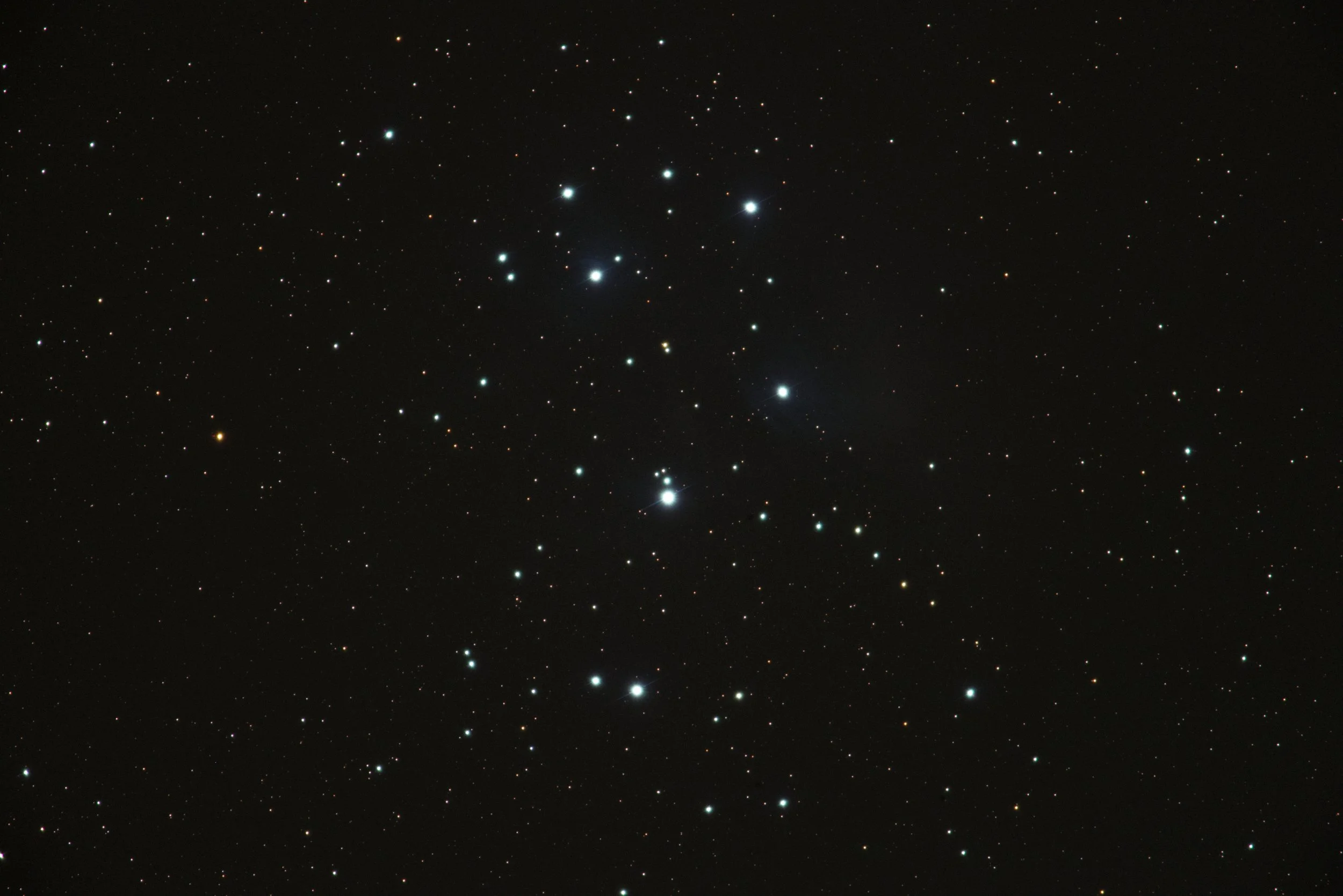
Single exposure - Canon EOS R Full-frame Camera with 2x Extender, Lens aperture at F11
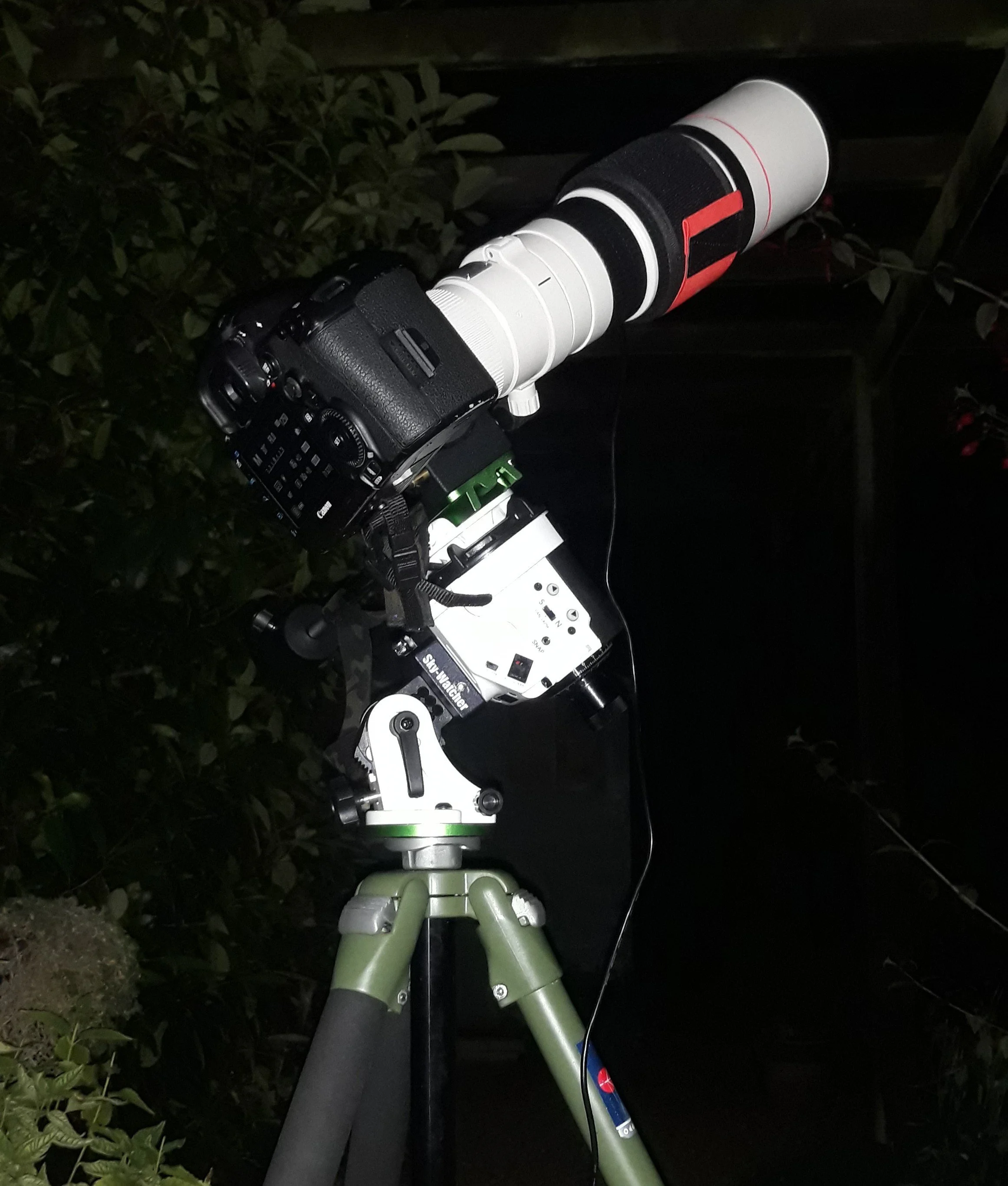
Lens and Canon 5DmkIV DSLR mounted on a Skywatcher Star Adventurer